Expedition: Walk Down The Congo River
The World's First
Expedition Highlights
A World-First Journey
- Attempting the first recorded solo walk along the full 3,000-mile length of the Congo River
- Traversing through Zambia and the DRC, each with unique landscapes and challenges
- Documenting untouched regions rarely seen by outsiders
Extreme Challenges Ahead
- Facing relentless heat, storms, swamps, and dense equatorial rainforest
- Navigating areas with political instability and logistical risks
- Enduring months of physical strain while carrying essential equipment on foot
Mission & Legacy
- Creating a long-form documentary to capture the human and natural story of the Congo
- Building a scientific and cultural record of life along Africa’s ultimate river
- Inspiring global audiences with a journey of endurance, resilience, and discovery
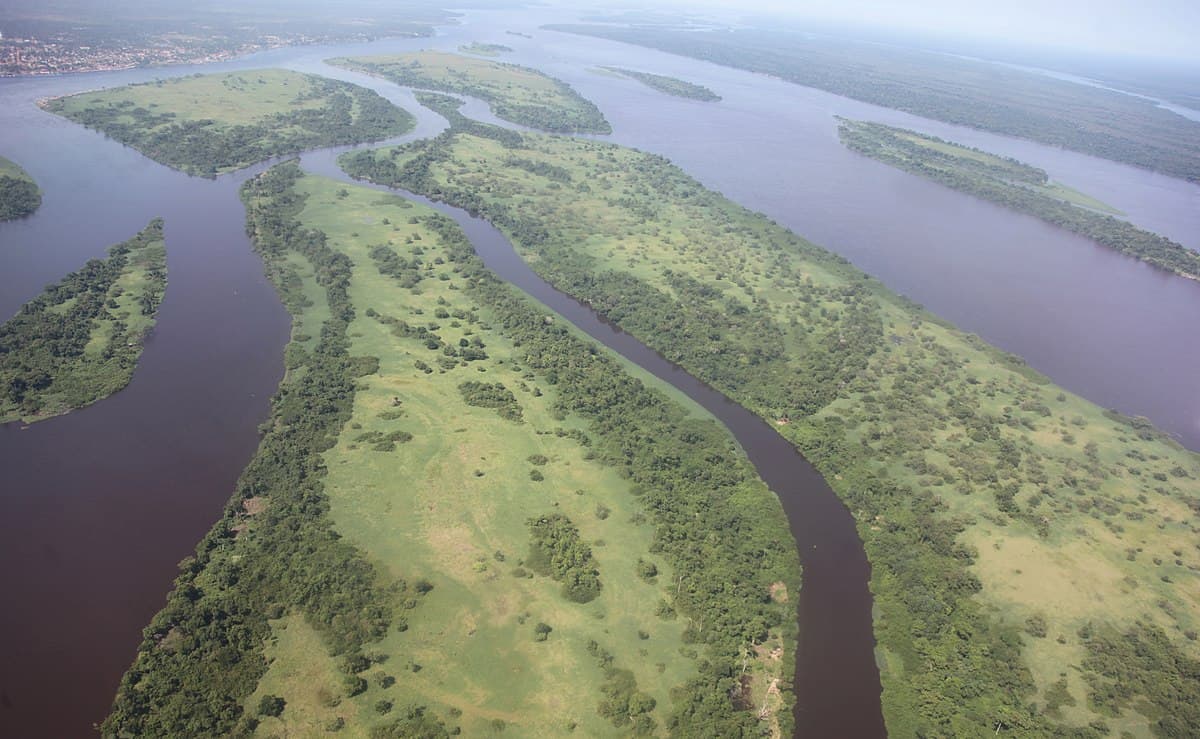
The Congo River has long stood as Africa’s ultimate frontier. Spanning nearly 3,000 miles, it winds through dense rainforest, untamed floodplains, and some of the most challenging terrain on the planet. In 2026, Daniel Eggington will attempt a world-first — to walk the full length of the Congo River, documenting every step of its story through people, wildlife, and landscapes.
Unlike his previous expeditions by canoe or boat, this journey will be entirely on foot, following the river’s banks from its source to its mouth. Travelling in this way presents unique challenges: unpredictable weather, hostile terrain, and months of carrying equipment through some of the harshest environments on Earth. Every mile will demand focus, endurance, and resourcefulness.
The Congo is more than just a river. It is a place of myth and resilience, supporting countless communities who live along its course. Throughout the expedition, Daniel will document daily life along the river — from fishing villages and trading outposts to remote settlements deep in the rainforest. These human stories will stand alongside the raw natural challenges of the environment.
Wildlife encounters will be inevitable. The Congo Basin is home to some of the world’s most extraordinary biodiversity, including forest elephants, gorillas, crocodiles, and countless species of birds and fish. While the wildlife offers awe-inspiring encounters, it also adds layers of risk that must be managed with care and respect.
The expedition will also navigate regions of political instability and fragile security. As with his previous challenges in Guyana and the Darién Gap, Daniel will rely on diplomacy, cultural sensitivity, and careful planning to progress safely. Collaboration with local communities and leaders will be vital in gaining the trust and support needed to move through such a vast and complex region.
At its core, the project aims to create a long-form documentary that captures the true spirit of the Congo River. This film will blend the scientific record of an unprecedented journey with the human and cultural perspectives of those who call the river home. In doing so, it will provide audiences worldwide with an intimate window into a region too often misunderstood or overlooked.
The Congo River expedition represents not only a physical challenge but also a statement of resilience. By walking its entire length, Daniel seeks to push the limits of exploration while raising awareness of the cultural and ecological significance of this extraordinary river. It is a journey about endurance, but also about connection and understanding.
Set to begin in 2026, this expedition is Daniel’s boldest undertaking yet. If successful, it will mark a once-in-a-generation achievement — the first complete walk down the Congo River. More than an adventure, it will be a story of humanity, survival, and the unbreakable spirit required to conquer one of Earth’s last great challenges.
Expedition Gallery
Enquiries